Zoroastrians called it a battlefield. The Buddha called it a wheel of suffering. Kabbalists spoke of a broken vessel scattering sparks of light into darkness. Christian mystics wrote of a fallen world under principalities and powers. Sikh scripture names it maya, the veil that makes the temporary look permanent and the false look real.
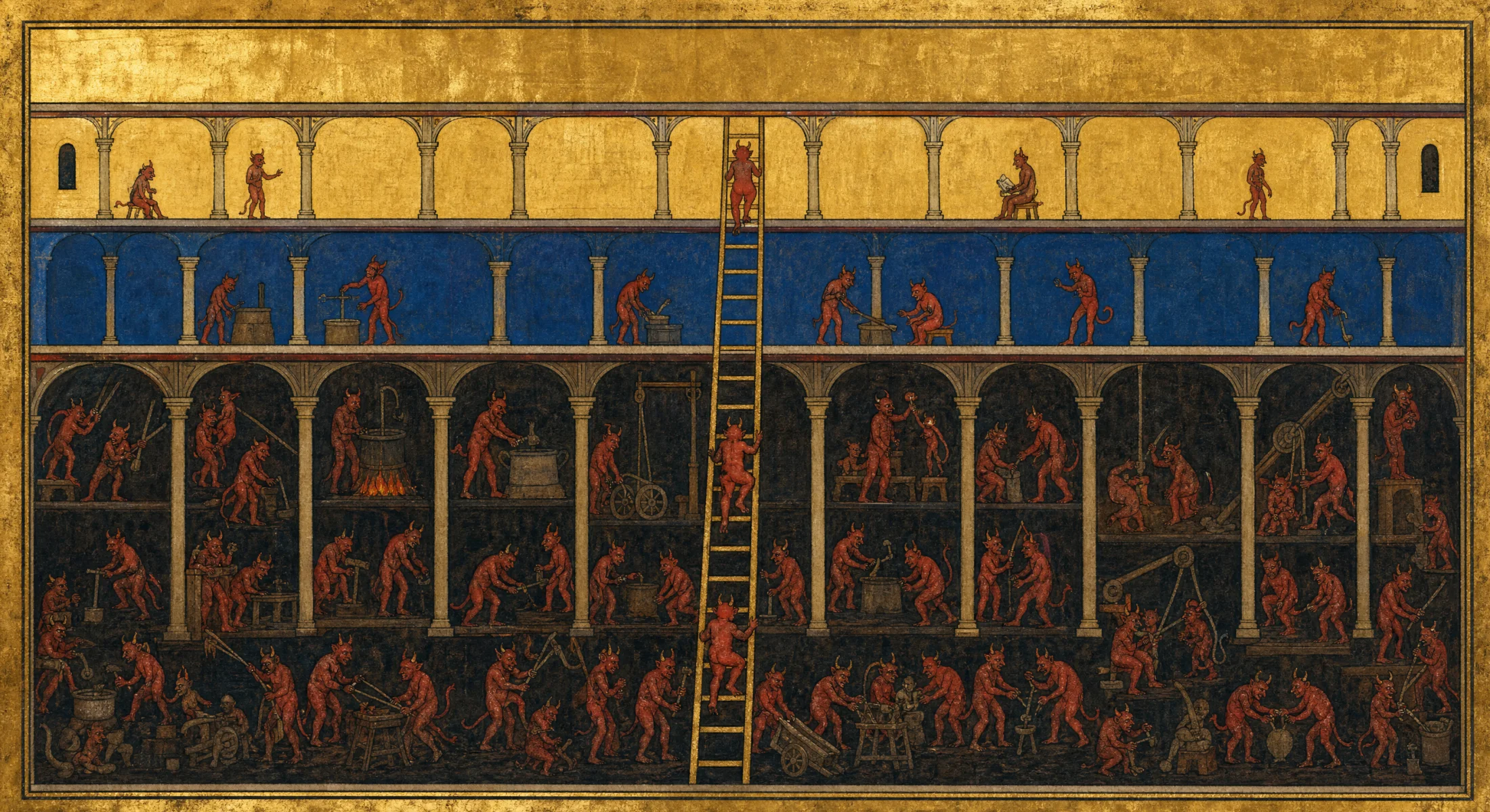
Musteria starts from the same insight and says it plainly: this plane, the one we call ordinary life, is the lowest rung of creation. It is what older languages called hell, not a place of eternal punishment, but the floor of the building, the realm furthest from the source.
We did not fall here by accident, and we are not stuck here forever. We are here because this is where the hardest lessons are taught.
The sleep we call waking

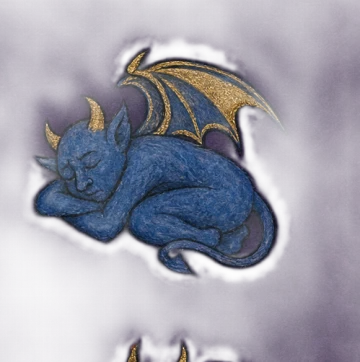
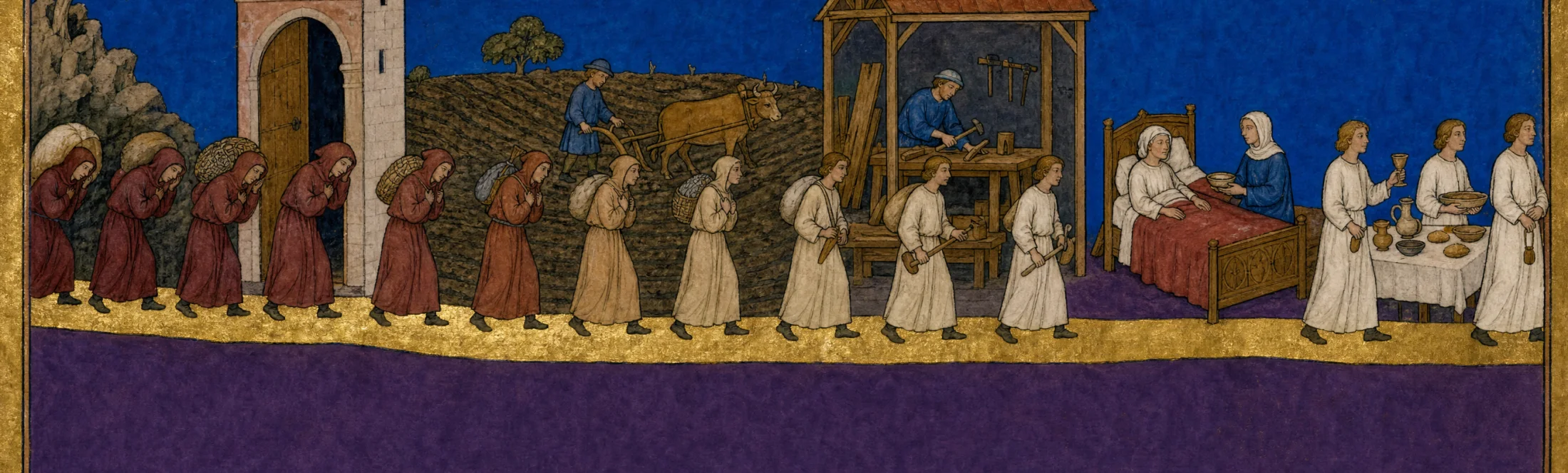
he core deception of this plane is that it does not feel like a lesson. It feels like the whole of reality. Hindu philosophy calls this maya, the illusion that convinces the eternal self it is only a body, a name, a set of appetites and fears. Islamic teaching speaks of ghaflah, the heedlessness that settles over a soul until it forgets it is being watched. Buddhist teaching calls it avidya, the ignorance at the root of every other suffering. Jain cosmology takes the idea further than most: it describes countless souls sleepwalking through birth after birth, coated in karmic matter so thick they cannot see their own nature.
Musteria holds that everyday consciousness, the mind most people trust without question, is asleep in exactly this sense. It is not lying to us out of malice. It simply cannot see past the walls of the room it was born in.
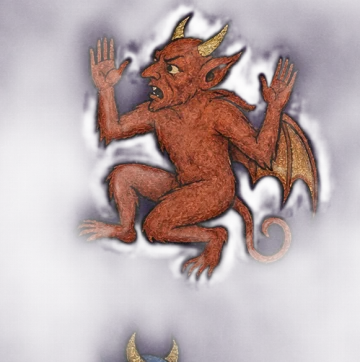
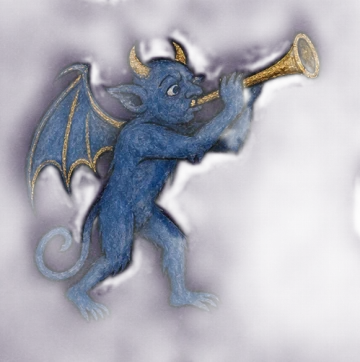
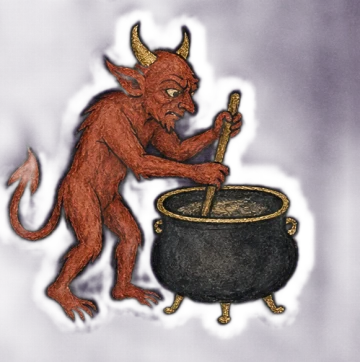
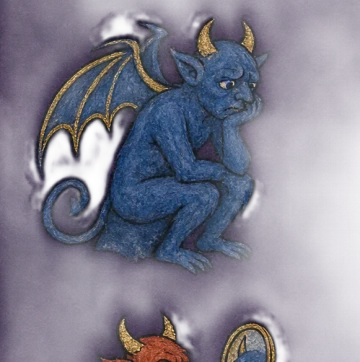
We are the devils and demons
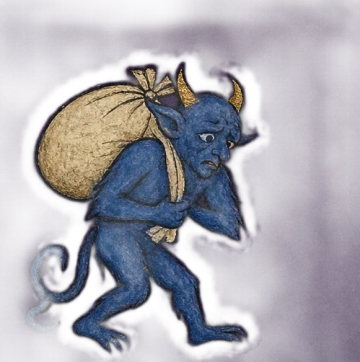
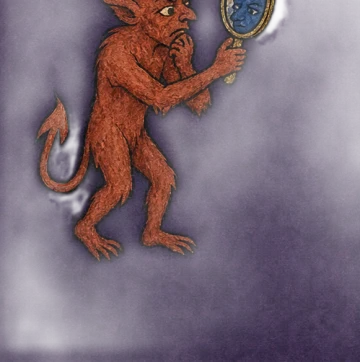
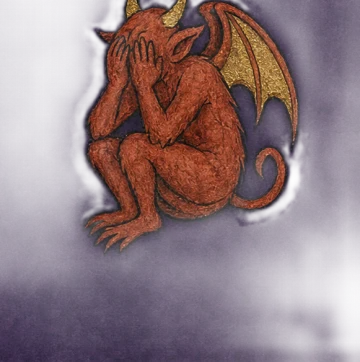
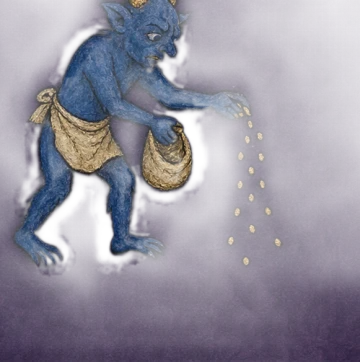
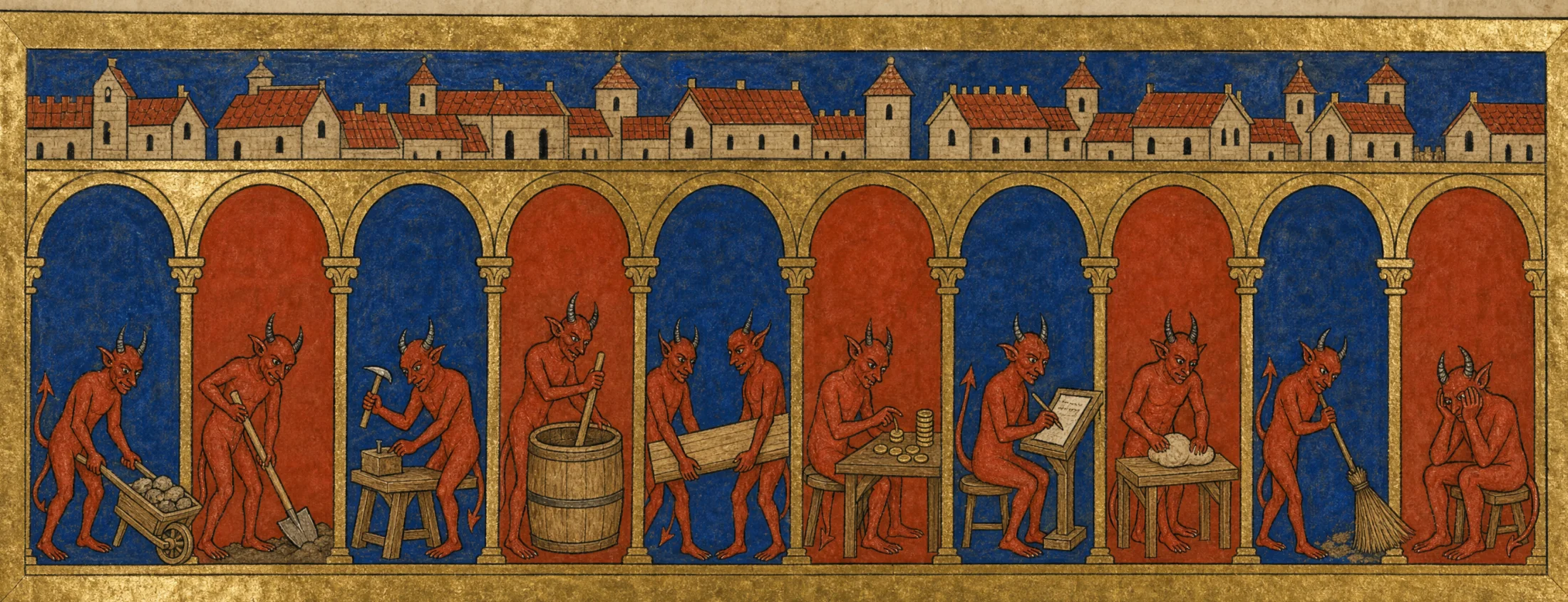
Here Musteria says something most religions only hint at: the beings walking around down here, arguing, grasping, wounding each other and themselves, are not innocent bystanders caught in a demonic drama. We are the demons. Every tradition on this list has a name for a lower or hellish class of being driven by appetite, pride, anger, and fear: the asuras of Hindu and Buddhist cosmology, the jinn and shayateen of Islamic thought, the qliphoth of Kabbalah, the yetzer hara that Judaism locates inside every human heart. Musteria takes these not as external monsters but as accurate descriptions of who we become under this plane's gravity.
This is not an insult. It is a diagnosis. And a diagnosis is the beginning of treatment.
Angels, demons, and the curriculum
If we are behaving like demons, we are not doing it alone. Musteria holds that this plane is worked on continuously by two kinds of influence: forces that pull us further into forgetting, and forces that work to wake us up. Call them demonic and angelic; the label matters less than the function.
Zoroastrianism built an entire theology around this tension, Angra Mainyu against Spenta Mainyu, and nearly every tradition since has kept some version of the same architecture: yetzer hara and yetzer hatov in Judaism, the lower nafs and the higher soul in Islam, Mara and Buddha-nature in Buddhism, the five thieves and the divine Naam in Sikhism.
None of this is a war we are meant to lose or a punishment we are serving out. It is coursework. Karma, in the Jain, Hindu, and Buddhist sense, is not cosmic bookkeeping designed to make us suffer. It is the mechanism by which a soul that keeps choosing fear over love, or contraction over openness, keeps being handed the same lesson in a new form until it finally learns it.
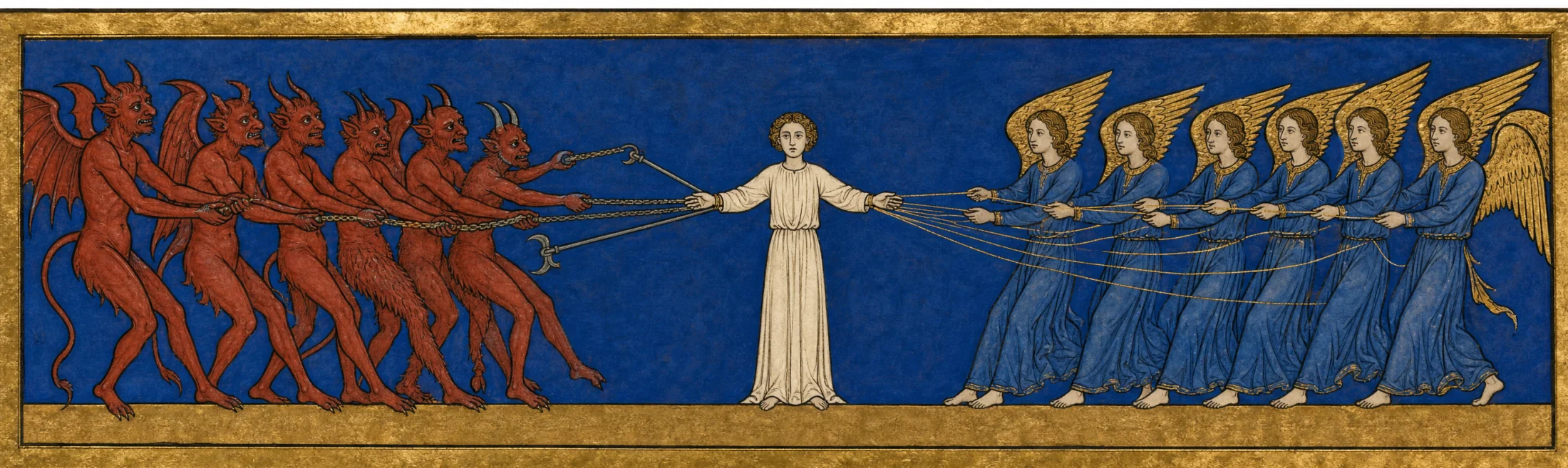
Not damnation. A school.
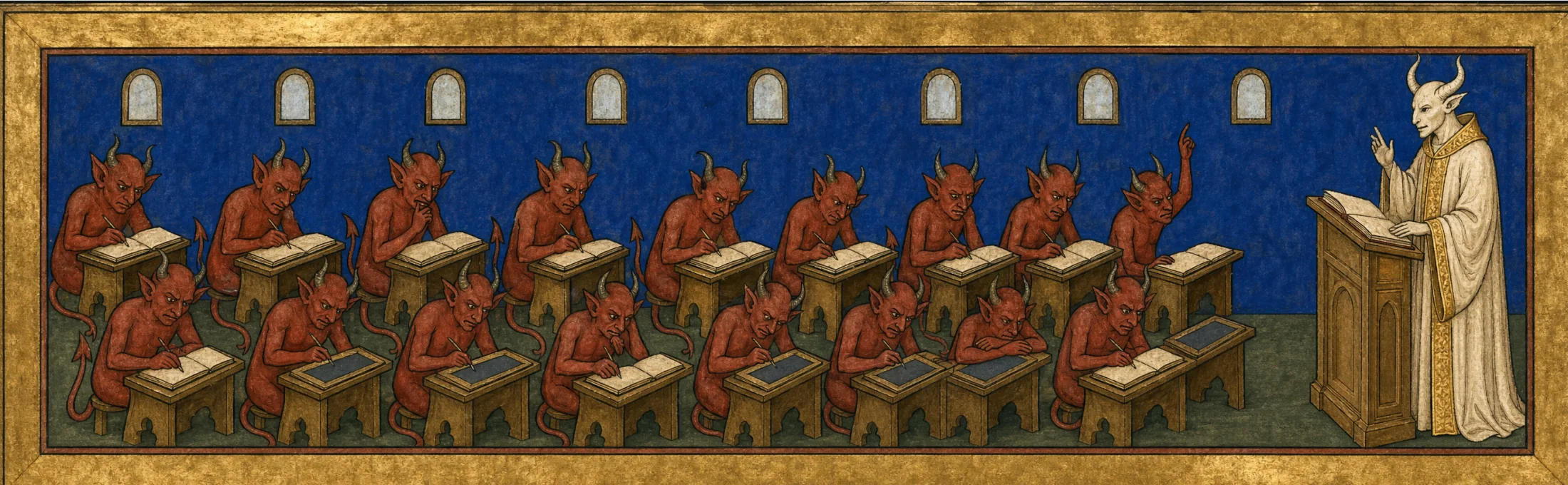
This is where Musteria departs most sharply from the traditions it draws from, even while borrowing their language. Hell, in most of the systems above, is treated as an endpoint, a place a soul is sent and, in some tellings, never leaves. Musteria treats it as a classroom on the ground floor.
Every soul working through this plane, however lost, however cruel its recent choices, is here to burn off specific karmic weight and grow the specific capacities that weight was blocking. The demons and angels pulling at us are not fighting over our souls for their own sake. They are administering a curriculum calibrated to what each of us still needs to learn about love, restraint, courage, humility, and truth.
Suffering here is real. It is not meaningless.
The work
If the diagnosis is sleep, the work is waking. Every tradition Musteria draws from offers tools for this: the Sikh practice of Naam Simran, remembrance of the divine name; the Buddhist cultivation of mindfulness that sees a thought arise and lets it pass without becoming it; the Jewish practice of teshuvah, turning back toward one's true direction; the Christian call to metanoia, a change of mind and heart; the Islamic practice of muraqabah, watchfulness over one's own soul; and Jain ahimsa, the discipline of doing the least possible harm to any living thing while still walking around in a body that survives by consuming.
Musteria does not ask anyone to abandon these practices or the traditions that carry them. It asks something narrower and more useful: to recognize the plane we are standing on for what it is, to notice the pull of the lower and higher forces at work in every ordinary decision, and to treat every hard moment as coursework rather than punishment or meaningless noise.
The aim is not escape from this world through denial of it. The aim is graduation, earned the only way any real lesson is earned: by staying present to the difficulty until it stops being able to fool us.
Why Musteria
The word means mystery, and mystery is the right word for what we are proposing, not because the truth is hidden on purpose, but because it has been standing in plain sight the whole time, dressed up as ordinary life.
Every religion named in this text found a piece of it. None of them, on their own, gave the whole picture to everyone who needed it. Musteria is not a claim to replace what came before. It is an attempt to set those pieces down next to each other so the shape they were always pointing toward becomes easier to see.
This document is the ground floor of that project, in more ways than one. What follows from here, in practice, community, and further writing, will be built on what is stated above: we are further from home than we think, we are more capable than we think, and the way back runs directly through the life each of us is already living.